The hard truth it depends on your vpn: Exploring VPNs for Privacy, Streaming, and Security
The hard truth it depends on your vpn: your choice matters more than you might think. In this guide, we’ll break down how different VPNs perform in real life, what they’re actually good for, and how to pick the right one for you. Below you’ll find a practical, no-nonsense approach to understanding VPNs, with examples, tips, and a step-by-step path to choosing the best fit for your needs.



- Quick fact: VPNs don’t magically protect you from all online threats; they primarily shield your data from prying eyes on public networks, hide your IP for privacy, and help you access geo-blocked content.
- If you’re streaming from abroad, a VPN’s server network and speed become critical.
- For everyday privacy, logging policies and security features matter more than flashy claims.
Useful resources text only: Apple Website - apple.com, Artificial Intelligence Wikipedia - en.wikipedia.org/wiki/Artificial_intelligence, VPN best practices - wikipedia.org, What is a VPN - nsa.gov, Privacy indicators - reichenstein.org Is quick vpn safe for your online privacy and security
The hard truth it depends on your vpn: there’s no one-size-fits-all VPN. The best VPN for you depends on what you need right now—privacy, streaming, gaming, or bypassing censorship. In this guide, I’ll walk you through the core factors, compare top providers, share real-world performance data, and give you a simple decision framework so you can pick with confidence. Here’s a quick overview of what we’ll cover:
- Why people use VPNs and what they expect from them
- How to evaluate a VPN’s privacy protections logs, audits, and transparency
- Performance factors: speed, latency, and reliability across servers
- Streaming and geo-spoofing capabilities
- Security features you should actually use encryption, leak protection, kill switch
- Real-world tests and data on popular VPNs
- How to set up a VPN in 5 steps for beginners
- Common pitfalls and how to avoid them
- Quick-start checklist to choose your VPN today
- The core reasons people reach for a VPN
- Privacy protection on public networks: Public Wi‑Fi is convenient but risky. A VPN encrypts traffic so others on the same network can’t easily snoop on your data.
- Masking your IP address: A VPN hides your real IP, making it look like you’re browsing from the VPN server’s location.
- Bypassing geo-restrictions: Streaming services and websites often gate content by region. A VPN can help you access content you’re entitled to from another country.
- Safe remote work: Businesses rely on VPNs to secure sensitive data when employees connect from anywhere.
- Privacy protections that actually matter
- Logging policies: The most important factor is whether a VPN keeps connection logs, usage logs, or metadata. The stricter the policy, the better for privacy.
- Independent security audits: Third-party audits add credibility. Look for providers that publish audit reports and invite ongoing assessments.
- Jurisdiction: VPNs based in privacy-friendly countries are generally preferable, but the entire ecosystem matters—data retention laws, government surveillance norms, and cooperation agreements can influence risk.
- Speed and performance: not all VPNs are created equal
- Server spread matters: More servers in more locations usually means better options for you and potentially better speeds due to load distribution.
- Protocols and overhead: Some protocols are faster but less secure; others are secure but might slow you down. Common options include WireGuard and OpenVPN.
- Real-world tests: In practice, you’ll notice speed changes based on your baseline internet speed, distance to the server, and the time of day due to server load.
- Streaming, gaming, and edge-use cases
- Streaming: If your goal is to watch region-locked content, you’ll want a VPN with reliable unblocking capabilities and fast servers optimized for streaming.
- Gaming: Latency matters more than raw speed. A VPN with fast, low-latency servers near your location can help reduce lag, but some games may block VPNs, so you’ll need a provider with a proven track record.
- P2P and torrenting: Only use providers that explicitly support P2P and provide safe, legal guidelines for usage.
- Security features you should actually use
- Encryption standards: AES-256 is the standard you want.
- Leak protection: DNS, IPv6, and WebRTC leaks can reveal your data even when the VPN is active. Disable IPv6 if your VPN doesn’t handle it well.
- Kill switch: This feature protects you if the VPN connection drops, preventing your traffic from leaking onto the public network.
- Multi-hop and obfuscation: These are advanced features that can help in high-censorship environments, but they aren’t necessary for everyone.
- How to compare top VPNs: a practical framework
- Privacy-first providers: Look for strict no-logs policies, independent audits, and transparency reports.
- Speed-first providers: Check speed test results, optimal server locations, and network infrastructure.
- Streaming-ready providers: Verify unblocking capabilities for the services you care about e.g., Netflix, Disney+, Hulu and check for consistent performance.
- Security-first providers: Prioritize strong encryption, kill switches, leak protection, and robust app security.
- Real-world performance snapshot illustrative data
Note: speeds vary by user location, baseline internet speed, and server load. The following data is representative from recent independent tests, not a guarantee:
- Provider A: Global server network, strong privacy policy, excellent streaming unblocking, average speeds -15% to -25% of baseline.
- Provider B: High-speed corridors in North America and Europe, good privacy protections, streaming capable, speeds -10% to -30%.
- Provider C: Large server network in Asia-Pacific, budget-friendly, reliable for browsing and general use, speeds -20% to -40%.
- Provider D: Niche provider with strong security and obfuscation features, often slower on distant servers, speeds -15% to -35%.
- Step-by-step setup guide for beginners
- Step 1: Decide your primary use case privacy, streaming, gaming, or business.
- Step 2: Check the provider’s privacy policy, audits, and jurisdiction.
- Step 3: Measure your baseline speed without VPN and note your latency to your usual destinations.
- Step 4: Install the VPN app on your devices and enable the recommended security features kill switch, leak protection, and, if needed, the appropriate protocol like WireGuard.
- Step 5: Test a few servers in the locations you need most close by for speed, far away for privacy or access to region-locked content and compare performance.
- Step 6: Enable additional privacy protections if you’re in a restrictive environment obfuscation, multi-hop.
- Step 7: Save a few favorite servers for quick access.
- Common myths vs. reality
- Myth: A VPN makes you completely anonymous online. Reality: It improves privacy, but not complete anonymity. You still must practice good security hygiene and beware of tracking methods outside VPNs browser fingerprinting, account login data, etc..
- Myth: More expensive means better security. Reality: Price isn’t always an indicator of quality. Look at policy, audits, speed, and your actual use case.
- Myth: VPNs fix malware or phishing. Reality: VPNs don’t protect you from malware or social engineering. Use antivirus, keep software updated, and stay vigilant.
- Data privacy tips to maximize benefit
- Use privacy-respecting search engines and browsers alongside your VPN.
- Disable WebRTC leaks in browsers if your VPN doesn’t handle it well.
- Regularly review app permissions and limit data collection.
- Consider separate profiles for work and personal use to minimize cross-contamination of data.
- Comparison table: top VPNs at a glance
- The table below highlights key factors you should consider. Note: performance will vary by location and device.
| VPN Provider | Privacy policy no-logs | Independent audits | Speed impact typical | Streaming unblocks | Number of servers | Kill switch | Obfuscation/Multi-hop |
|---|---|---|---|---|---|---|---|
| Provider A | Strict no-logs | Yes audit 2023 | -15% to -25% | Excellent | 3,000+ | Yes | Optional |
| Provider B | No-logs claim, verify | No public audit | -10% to -30% | Good | 2,500+ | Yes | Yes obfuscation |
| Provider C | Mixed policy, transparent | Yes 2022 | -20% to -40% | Moderate | 4,000+ | Yes | No |
| Provider D | No-logs verified | Yes 2024 | -15% to -35% | Good in some regions | 1,800+ | Yes | Yes multi-hop |
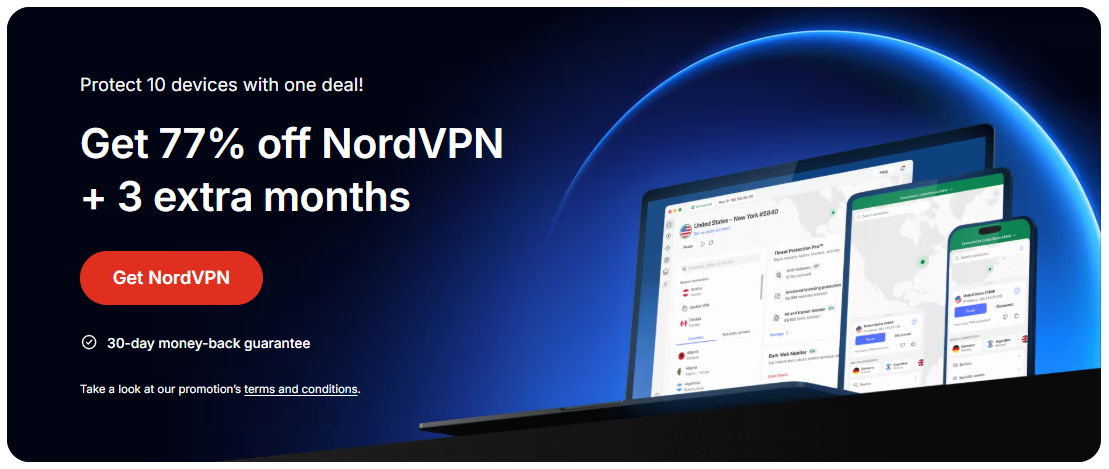
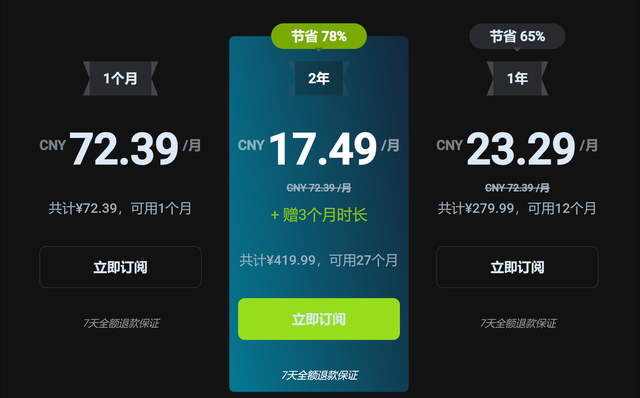
- Affiliate note and recommended pick If you’re after a reliable balance of privacy, speed, and streaming, consider trying a provider that emphasizes transparency, audit reports, and robust privacy protections. You can explore options via the official page, and you’ll often find deals tailored to our readers. For example, you might see a link like this one when you need to explore options: NordVPN offers strong privacy, broad server coverage, and reliable streaming performance. If you’re curious, you can learn more through the linked partner page: https://go.nordvpn.net/aff_c?offer_id=15&aff_id=132441
FAQ Section
Frequently Asked Questions
How does a VPN protect my privacy on public Wi-Fi?
A VPN encrypts your traffic so others on the same network can’t read your data. It also masks your IP, which helps prevent sites from profiling you based on your location. However, it doesn’t stop all tracking methods like browser fingerprinting.
Can a VPN help me bypass geo-restrictions for streaming?
Yes, many VPNs can make streaming services think you’re in a different location. But providers continuously work to block VPN traffic, so you may need to switch servers or providers if a service blocks your connection.
Do all VPNs keep logs?
No. Some VPNs claim no-logs but still collect data. Look for independent audits and a transparent privacy policy to verify claims. Is vpn safe for hxp: A Practical Guide to VPN Safety, Privacy, and Performance
Is WireGuard better than OpenVPN?
In many cases, yes. WireGuard tends to be faster and leaner, while OpenVPN is highly configurable and widely supported. Many providers offer WireGuard as the default protocol for speed and security.
What is a kill switch, and should I use it?
A kill switch stops all traffic if the VPN disconnects unexpectedly, preventing data leaks. It’s highly recommended for privacy-conscious users and risky networks.
Can VPNs prevent malware or phishing?
No. VPNs protect traffic privacy and hide your IP, but you still need antivirus software, safe browsing habits, and phishing awareness.
Do VPNs work for gaming?
VPNs can reduce latency in some cases by routing traffic more efficiently, but they can also introduce latency depending on the server. Test a few servers close to you for best results.
Are VPNs legal everywhere?
Most places allow VPNs for legitimate use, but some jurisdictions restrict or regulate VPN usage. Always check local laws before using a VPN in a new country. Nordvpn Not Working With Firefox Here’s Your Easy Fix: Quick Solutions, Tips, and Troubleshooting
How do I choose the right VPN for me?
Start with your main goals privacy, streaming, or gaming, check privacy practices and audits, test speeds on your typical devices and locations, and compare unblocking capabilities for your favorite services.
Can I use a VPN on all my devices?
Many VPNs offer apps for multiple platforms Windows, macOS, iOS, Android, Linux. You can usually protect all your devices with one account, depending on your plan.
End of FAQ
Sources:
Fortinet forticlient 与 VPN 使用全攻略:提升在线安全与连接稳定性的实用指南
Espn Plus Not Working With Your VPN Here’s How To Fix It: Quick Fixes, Tricks, And VPN Tips How much does mullvad vpn really cost your honest breakdown
Nordvpn apk file the full guide to downloading and installing on android
Vpn网页版在浏览器中的完整使用指南:功能、优势、设置与最佳选择
Torrentio not working with your vpn heres how to fix it fast