Is vpn safe for hxp: A Practical Guide to VPN Safety, Privacy, and Performance
Is vpn safe for hxp: a quick fact — VPNs can enhance privacy and security, but effectiveness depends on the provider, configuration, and usage. In this video-ready guide, you’ll get a clear, reader-friendly overview of how VPNs work, how to choose a safe VPN for hxp, common risks, and best practices. Let’s break down what you need to know, with practical steps, real-world stats, and easy-to-follow tips.


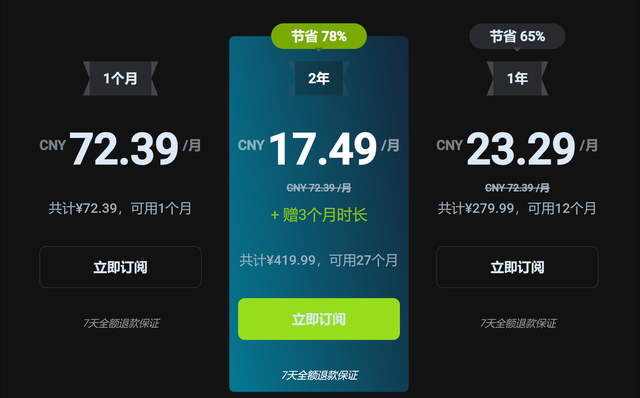

- If you want a trustworthy option to test with minimal fuss, NordVPN is a solid pick to explore link in intro: NordVPN deal and info. I’ll show you where it fits in your setup as we go.
- Quick navigation: how VPNs work, safety considerations, what “safe for hxp” means in 2026, provider features to look for, setup tips, potential pitfalls, and a hands-on checklist you can use today.
Introduction: Quick facts and a practical roadmap Is vpn safe for hxp? Yes, but with caveats. A VPN masks your IP, encrypts traffic, and helps bypass geo-restrictions, yet you still need to trust the provider, ensure strong encryption, and practice safe online habits. In this guide, you’ll find: Nordvpn Not Working With Firefox Here’s Your Easy Fix: Quick Solutions, Tips, and Troubleshooting
- A plain-language explanation of VPN basics and what “safe” means in everyday online life
- A step-by-step approach to evaluating providers and configuring your setup
- Real-world statistics on VPN usage, encryption standards, and data-privacy trends
- A practical, reader-friendly checklist you can use today
What you’ll learn
- How VPNs work and what makes them secure
- Key terms you’ll see in VPN reviews
- How to pick a VPN that aligns with your needs speed, privacy, device compatibility
- How to configure a VPN for daily use, streaming, gaming, or work
- Common mistakes and how to avoid them
- A simple, repeatable safety checklist for ongoing use
Useful resources unlinked text
- Apple Website - apple.com
- Artificial Intelligence Wikipedia - en.wikipedia.org/wiki/Artificial_intelligence
- World Economic Forum - weforum.org
- Privacy tools guide - privacytools.io
- VPN comparison sites - bestvpn.org, privacytools.io/#vpn
: In-depth coverage with practical formats
Section 1: How VPNs work and what “safe” really means
- A VPN creates a secure tunnel between your device and a VPN server. Your traffic is encrypted, and your IP address appears as the server’s IP.
- Encryption standards matter. Modern VPNs use at least AES-256 with modern protocols like WireGuard, OpenVPN, or IKEv2. These are widely trusted by security pros and researchers.
- Safety isn’t absolute. A VPN can protect you from snooping on public Wi-Fi and hide your IP from websites, but it won’t fix malware, phishing, or misconfiguration on your device.
- Logs and data policies matter. A trustworthy VPN should have a clear no-logs policy, or at least transparent logging disclosures, with independent audits if possible.
- Jurisdiction matters. Some countries require data retention or allow backdoors. Look for providers in privacy-friendly jurisdictions and with strong compliance practices.
Section 2: What “safe for hxp” means in practice How much does mullvad vpn really cost your honest breakdown
- Privacy protection: Your ISP and third parties can’t easily see your traffic if you’re connected to a reputable VPN.
- Data leakage risks: DNS leaks, WebRTC leaks, or IPv6 leaks can expose information even when connected to a VPN. Choose VPNs with built-in leak protection and disable IPv6 if the provider doesn’t handle it well.
- Kill switch: A must-have feature. It blocks all traffic if the VPN disconnects unexpectedly, preventing accidental exposure.
- Multi-hop and obfuscation: For higher risk environments, some VPNs offer multi-hop routes or obfuscated servers to blend VPN traffic with regular traffic.
- Device compatibility: Ensure the VPN supports all devices you use Windows, macOS, iOS, Android, Linux, routers.
Section 3: Data, trends, and what the data says
- VPN market growth: The global VPN market is expanding, driven by privacy concerns and remote work. Expect continued growth through 2026 and beyond.
- Encryption reliability: AES-256 remains the standard; WireGuard adoption is rising due to speed and simplicity, with many providers offering it as default.
- Privacy lawsuits and audits: Reputable VPNs publish transparency reports and audit results to back their privacy claims.
- Security incidents: The best defense is a capable combination of strong encryption, leak protection, and a no-logs stance, plus regular software updates.
Section 4: How to choose a VPN that’s safe for hxp Checklist for selecting a reliable VPN
- Clear no-logs policy: Look for a policy that specifies data collection limits and independent audits.
- Strong encryption + modern protocols: AES-256 with WireGuard, OpenVPN, or IKEv2.
- Leak protection: DNS leak protection and kill switch enabled by default.
- Independent audits: Prefer providers that have undergone third-party security audits.
- Transparent pricing and refund policy: Simple, clear terms and a money-back guarantee.
- Jurisdiction and policy on data requests: Favor privacy-friendly jurisdictions and published compliance processes.
- Speed and server availability: A broad network of fast servers to avoid congestion.
- P2P/torrent support: If you need it, confirm allowed on their servers and low logging for torrenting.
- Customer support: Accessible and responsive support channels.
- Bonus features: Obfuscated servers for censorship-heavy regions, split tunneling, and device compatibility.
Section 5: Real-world usage scenarios
- Everyday browsing: Turn on VPN on your primary device, ensure kill switch is active, and test for DNS leaks.
- Streaming and geo-restrictions: Choose a server location that matches the content you want, but be mindful of speed impact.
- Remote work and business use: Use a VPN with strong enterprise-grade security options, such as split tunneling and robust access controls.
- Gaming: Some VPNs can reduce lag if you pick the right server; otherwise, test a few locations to find the best balance of speed and stability.
Section 6: Setup guide: get your VPN up and running in 5 steps Step 1 — Choose your VPN and create an account
- Pick a provider with a strong privacy stance, modern protocols, and a good track record. Suggest an example provider NordVPN but note you should evaluate based on current promos and needs.
Step 2 — Install on your devices Le guide ultime pour le streaming sans limites avec nordvpn
- Install the app on your primary devices PC, phone, tablet. If you’re also protecting a router, set up the VPN at the router level to cover all devices.
Step 3 — Configure essential settings
- Enable kill switch.
- Turn on DNS leak protection.
- Enable IPv6 disable if your provider doesn’t handle it well.
- Enable auto-connect on startup for convenience.
Step 4 — Pick a server and connect
- Start with a nearby server for speed. If you need to access region-locked content, switch to a server in that region and test streaming quality.
Step 5 — Verify safety and performance
- Visit a DNS leak test site to confirm your DNS isn’t leaking.
- Check that your IP shows the VPN server’s IP instead of your real IP.
- Run a speed test to see if performance is acceptable.
Section 7: Common mistakes and how to avoid them
- Relying on a free VPN: Free services often monetize data, show intrusive ads, or log data. For serious privacy, choose a paid, reputable provider.
- Forgetting to enable kill switch: If the VPN disconnects, your real IP could leak. Always keep the kill switch on.
- Ignoring updates: Outdated apps have vulnerabilities. Keep software current.
- Not testing for leaks: Regular checks for DNS, IPv6, and WebRTC leaks protect you from surprises.
- Skipping audits: If a provider hasn’t had independent audits, it’s a red flag.
Section 8: Security tips for long-term safety Channel 4 not working with your vpn heres how to fix it: Quick Fixes, Tips, and Best Practices
- Use strong, unique passwords and enable two-factor authentication for your VPN account.
- Enable multi-factor authentication if available.
- Be mindful of logging policies; avoid services that claim “no logs” but still retain metadata.
- Consider a privacy-focused browser and privacy extensions in combination with your VPN.
- Regularly review your connected devices and revoke access for devices you no longer use.
Section 9: Performance optimization and troubleshooting
- If speeds drop, try a nearby server, switch protocol WireGuard vs OpenVPN, and check device performance.
- For streaming, a dedicated streaming server or fast location often helps.
- If you notice disconnections, re-install the app or contact support, and ensure you have the latest version.
Section 10: The bottom-line safety verdict
- A well-chosen VPN can significantly boost privacy and security for everyday online activity, but it’s not a silver bullet. Pair a VPN with good security hygiene—strong passwords, device updates, cautious clicking, and skepticism about unsolicited messages—to maximize safety.
Comparison table: Features to look for in top VPNs
- Feature: Encryption protocol | Recommended: AES-256 with WireGuard/OpenVPN/IKEv2
- Feature: DNS leak protection | Yes
- Feature: Kill switch | Yes
- Feature: No-logs policy | Yes, audited if possible
- Feature: Jurisdiction | Privacy-friendly
- Feature: Server network | Large, diverse locations
- Feature: P2P support | If needed, clearly stated
- Feature: Obfuscated servers | If you’re in a restrictive region
- Feature: Split tunneling | Optional, useful for selective traffic
- Feature: App compatibility | Broad device support
Tips to stay safe in 2026
- Regularly review your VPN’s privacy policy and any changes in terms of service.
- Keep your devices secured with up-to-date antivirus and anti-malware tools.
- Be cautious with free public Wi-Fi; a VPN adds a layer of protection but isn’t a substitute for general safety hygiene.
- When in doubt, test your setup with independent tools that check for leaks and IP exposure.
Section 11: Quick-start checklist Guida completa all'app NordVPN per Android nel 2026: funzionalità, installazione e sicurezza
- Choose a reputable VPN with a transparent no-logs policy.
- Install on all devices you use regularly.
- Enable kill switch, DNS leak protection, and IPv6 handling.
- Run DNS leakage and IP checks after activation.
- Test multiple servers for speed and reliability.
- Remember to keep software updated and review your privacy settings monthly.
FAQ Section: Frequently Asked Questions
How does a VPN protect my privacy?
A VPN hides your IP address and encrypts your internet traffic, making it harder for others to monitor your online activity, especially on public networks.
Is using a VPN legal?
In most places, yes. Some jurisdictions have restrictions on VPNs or require compliance with local regulations. Always check local laws.
Can a VPN make me completely anonymous?
No. A VPN improves privacy, but you still need to practice safe online habits. Your behavior, device security, and account protections matter.
What is a no-logs policy?
A no-logs policy means the provider claims not to store data about your online activities. Look for independent audits to verify. Is quick vpn safe for your online privacy and security
Do VPNs slow down my internet?
They can. It depends on server location, distance, and protocol. Modern VPNs using WireGuard often maintain high speeds with minimal impact.
Should I use the kill switch?
Yes. It prevents traffic leaks if the VPN disconnects unexpectedly.
Are free VPNs safe?
Free VPNs often come with tradeoffs such as data logging, ads, limited bandwidth, and weaker security. They’re usually not ideal for long-term privacy.
Can I use a VPN on my router?
Yes, many people install VPNs on routers to cover all devices at once. It requires a bit more setup.
How do I test for DNS leaks?
Use an online DNS leak test tool while connected to the VPN. If the test shows your real DNS instead of the VPN’s DNS, you have a leak. The hard truth it depends on your vpn: Exploring VPNs for Privacy, Streaming, and Security
What should I do if I suspect my VPN is leaking data?
Pause VPN use, reconfigure settings, and run leak tests. If leaks persist, contact support or consider changing providers.
END OF FAQ
Note: For readers who want a guided, hands-on experience, consider checking out a trusted VPN option like NordVPN link provided earlier to explore features, pricing, and a risk-free trial. The goal is to empower you to make an informed choice that aligns with your safety needs, whether you’re browsing, streaming, or working remotely.
Sources:
Qbittorrent 端口转发 ⭐ tcp 还是 udp:终极指南与设置教程:端口映射、UPnP / NAT-PMP、VPN 情况下的最佳实践 2026
Your guide to nordvpn openvpn configs download setup made easy: Quickstart, Tips, and Best Practices for 2026 Setting Up NordVPN On Your TP-Link Router A Step By Step Guide: Easy, Fast, And Secure VPN Setup For Home Networks
中国 esim 卡:2025 年最新指南,旅行必备(含购买与设置技巧) 全球流量对比、购买渠道与激活步骤
Nordvpn fur torrents sicher und anonym filesharing 2026