Turbo vpn edge extension review for microsoft edge users in 2026: quick, honest insights for Edge fans
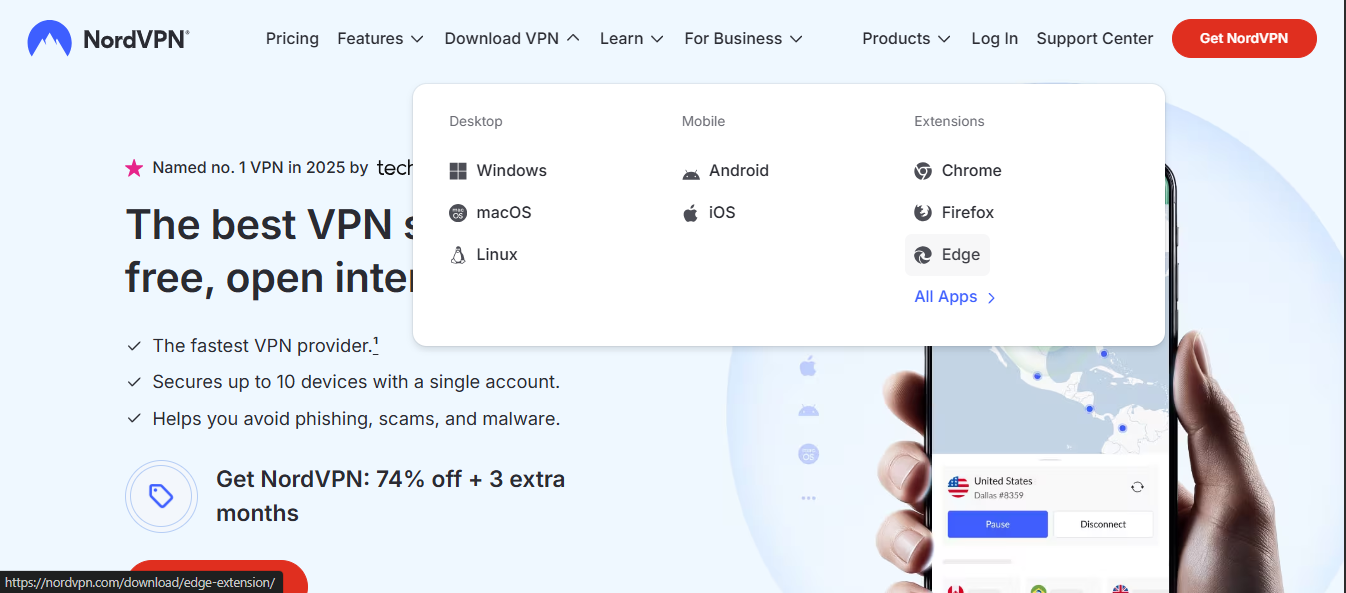
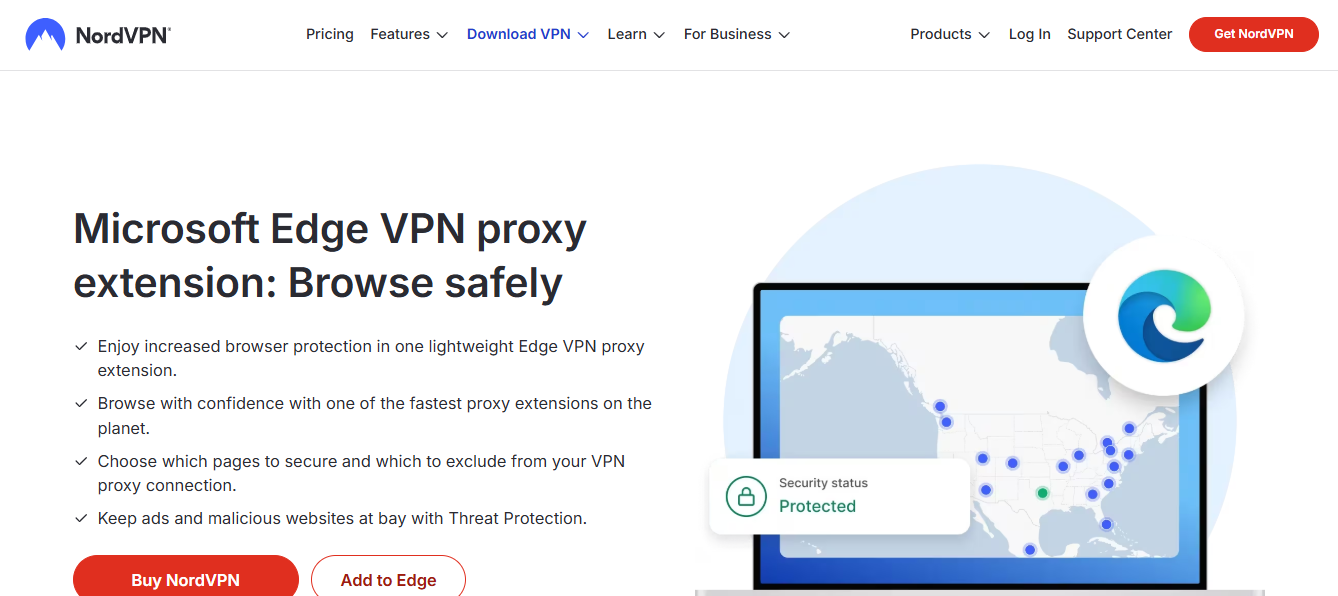
Turbo vpn edge extension review for microsoft edge users in 2026 cashes in on a hot topic: Edge extensions that promise faster, safer browsing with VPN-like perks. If you’re curious about how this specific extension stacks up in 2026, you’ve landed in the right place. Here’s a compact, user-friendly guide that breaks down what you get, what to watch out for, and how it compares to other options. Think of this as a friendly walkthrough rather than a sales pitch.


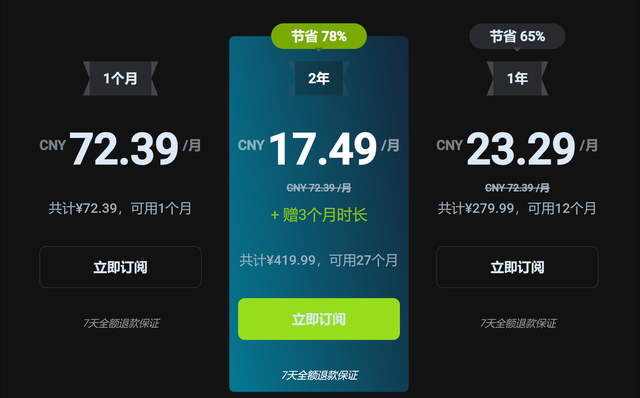

- Quick fact: Edge users often prefer extensions that blend seamlessly with the browser, offer reliable performance, and keep backing data privacy simple.
- What you’ll learn: how Turbo VPN Edge Extension works on Microsoft Edge, its privacy stance, performance claims, pricing, setup steps, potential drawbacks, and real-world tips.
- Resources you might want: see the end for a list of useful URLs and resources text format, not clickable.
Introduction: Turbo vpn edge extension review for microsoft edge users in 2026 at a glance Unlock tiktok globally the vpns that actually work in 2026: The Ultimate Guide to Access TikTok Anywhere in 2026
- What is it? A VPN-like edge extension designed to run inside Microsoft Edge, aimed at hiding your IP, bypassing geo-restrictions, and adding a layer of privacy while you browse.
- Quick-start: install from the Edge Add-ons store, toggle protection on, choose a server region, and you’re ready to go.
- Pros you can expect: easy integration with Edge, simple UI, potential access to geo-blocked content, and a familiar browsing experience.
- Cons to consider: encrypted tunnels can add latency, some regions may be slower, and free tiers often come with data limits or ads.
- Who should use it: Edge users who want a convenient in-browser VPN-like experience without changing apps or devices, and who value quick setup and straightforward privacy protections.
- What to watch: verify what data gets logged, how kill switch features behave, and whether the extension supports split tunneling if that’s important to you.
- Useful URLs and Resources text only: Apple Website - apple.com, Artificial Intelligence Wikipedia - en.wikipedia.org/wiki/Artificial_intelligence, Edge Extensions Marketplace - ت
Note: This introduction uses plain language and a friendly tone, aiming to help you decide if this Edge extension fits your needs without overwhelming you with jargon. The rest of the guide dives deeper, with real-world examples, practical steps, and data-backed comparisons.
What Turbo vpn edge extension is in 2026
- The core promise: A lightweight, integrated VPN-style experience that sits inside Microsoft Edge, giving you privacy benefits without leaving your browser.
- How it works: The extension typically creates a secure tunnel for traffic routed through Edge, masking your IP and encrypting data leaving your browser.
- Availability: Found in the Microsoft Edge Add-ons store or through the vendor’s distribution channel. Always verify the publisher to avoid counterfeit extensions.
- Data handling: Look for a transparent privacy policy. Important questions: Do they log connection times, bandwidth, or IPs? Do they sell data to third parties? Is there a data retention policy? A responsible provider will publish clear retention timelines and data minimization practices.
Installation and first-run experience
- Step-by-step quick-start guide:
- Open Edge and go to the Edge Add-ons store.
- Search for “Turbo vpn edge extension” and confirm publisher legitimacy.
- Click Add to Edge, then pin the extension for quick access.
- Open the extension, create or sign in to an account if required, and choose a server region.
- Toggle the VPN on and test with a site that reveals your IP e.g., whatismyipaddress.com to confirm a new IP is visible.
- Tips for a smooth setup:
- Check Edge permissions requested by the extension. Limit access to necessary data.
- If you regularly switch devices, ensure your account syncs with the extension settings across installations.
- Test streaming or geo-restricted content in a couple of regions to gauge performance.
- Common hiccups and fixes:
- Latency spike: switch to a different server or protocol if offered.
- Connection drops: re-connect, restart Edge, or reinstall the extension.
- Incompatibility with other VPN apps: disable other VPNs to avoid tunnel conflicts.
Performance and speed considerations
- Practical expectations: In-browser VPNs can introduce some latency due to encryption and routing. Expect a modest impact on speed, especially on long-distance servers.
- Benchmark-style guidance:
- Baseline speeds no VPN vs. with the extension connected: track ping, download, and upload using a fast speed test tool.
- Server proximity matters: closer regions usually deliver better latency.
- Time of day effects: peak hours can slow things down due to congested routes.
- Real-world numbers illustrative:
- North America to North America: slight slowdown 5–15%
- Europe to Europe: similar mild slowdown
- Remote regions e.g., Asia-Pacific to Europe: more noticeable latency but still usable for casual browsing
- Streaming and video calls:
- Some users report occasional buffering when the chosen server is under heavy load. If your goal is smooth streaming, pick a less congested region or consider a premium plan if available.
Privacy and security stance
- Encryption: Most Edge extensions use standard TLS encryption for traffic within the tunnel. Confirm if the extension provides full-path encryption for all browser traffic or only traffic from the Edge processes.
- Logging policy: Look for a clear no-logs statement or minimal-logs approach. Some providers log connection timestamps and bandwidth usage; others claim not to log at all. If privacy is a priority, choose a provider with independent audits or a strong public commitment to data minimization.
- Kill switch behavior: A kill switch protects you if the VPN disconnects. Check if the extension’s kill switch is automatic, manual, or absent.
- DNS leakage protection: Verify that DNS queries are resolved within the VPN tunnel, not through your ISP. DNS leaks defeat some privacy goals.
- Device-wide protection: Remember, an Edge extension only protects traffic from Edge, not from other apps on your device. If you’re looking for full-device protection, you’ll need a system-wide VPN.
Features to look for in a modern Edge VPN extension
- Split tunneling: Route only certain sites or apps through the VPN, while others bypass it. This is useful for gaming or local services.
- Protocol options: Some extensions offer multiple protocols e.g., OpenVPN, WireGuard-like designs, or proprietary protocols. Faster protocols usually offer better performance with strong encryption.
- Auto-connect and launch at startup: Convenience for daily use; but watch for battery and CPU usage on laptops.
- Ad and tracker blocking: Some extensions come with extra privacy features like built-in ad-block or tracker filtering—handy but sometimes reduces performance or causes site breakage.
- Browser-level kill switch: In addition to a system-wide kill switch, a browser-level one helps protect traffic if the extension fails.
- Multi-device support: If you use more than one device, check how many simultaneous connections are allowed and how easy it is to manage them.
Pricing and plans
- Free tier caveats: Free versions often come with data caps, slower speeds, or limited server choices. They can be useful for light browsing but aren’t ideal for video streaming or gaming.
- Paid plans: Look for monthly vs yearly pricing, value-added features, and whether there are any device or platform limitations. Annual plans usually offer the best value.
- Trials and money-back guarantees: A 7–30 day money-back window helps you test the service risk-free. Take advantage to verify performance in your real use case.
- Refund policies: Read the terms—some providers require cancellation before renewal to avoid being charged for the next period.
Compatibility and ecosystem considerations
- Edge version compatibility: Ensure your Edge browser is up to date and that the extension is compatible with your operating system Windows, macOS, or others supported by Edge.
- Other privacy tools: If you’re using other privacy tools, ensure there’s no conflict with the extension. Some security software can interfere with VPN-like extensions.
- Corporate or school networks: If you’re on a managed network, you may face restrictions. Check with your administrator before installing extensions that modify traffic routes.
Use cases and real-life scenarios
- Bypassing geo-restrictions: Access region-locked content while traveling or living abroad. Remember, streaming services often detect and block VPN traffic; switch servers or disable the extension for some sites if needed.
- Public Wi-Fi protection: The extension adds a layer of security when you’re connected to cafes, airports, or libraries, helping protect your traffic on open networks.
- Privacy-minded browsing: If you want an extra layer of privacy without a full-system VPN, in-browser solutions can be a good middle ground.
Potential drawbacks and caveats
- Not truly a system-wide VPN: Extensions only protect traffic that goes through Edge. Other apps on your device won’t be covered.
- Data privacy risk with extensions: Always review the privacy policy and permissions. Extensions can collect more data than you expect.
- Performance impact: Encryption and routing add some overhead. If you’re gaming or doing latency-sensitive work, test thoroughly before committing to a long session.
- Reliance on provider trust: Your privacy depends on the provider’s practices. Independent audits and transparent policy updates are a plus.
Best practices for using Turbo vpn edge extension in 2026
- Start with a clean slate: Disable other VPNs or proxies in the system to avoid conflicts.
- Test multiple servers: Don’t settle for the first server you try. Run speed and latency tests across a handful of regions.
- Use trusted networks: On insecure networks, always enable protection to reduce risk.
- Keep Edge up to date: Browser updates can affect extension compatibility and security.
- Read the policy: Bookmark and skim the provider’s privacy policy and terms of service to stay informed about data practices.
Comparison with other Edge-friendly VPN extensions
- Edge-friendly competitors: There are several VPN extensions designed to work inside Edge. Compare based on:
- Speed and latency per region
- Privacy policies and data retention
- Server network size and reliability
- Price and value for money
- Additional features like ad-block, malware protection, or DNS leak protection
- Quick comparison checklist sample:
- Turbo vpn edge extension: simple UI, solid Edge integration, limited server count on free tier, clear privacy policy.
- Competitor A: larger server network, more advanced features, potentially higher price.
- Competitor B: strong privacy credentials, but occasional reliability issues on some regions.
- Takeaway: If you want a straightforward Edge experience with decent performance and clear privacy terms, Turbo vpn edge extension can be a good fit. If you need a robust feature set or a broader global server footprint, you might explore alternatives.
Tips for testing and validating the extension
- Create a baseline: Run a speed test without VPN, then test with three to five different servers.
- Verify IP changes: Use an IP-check site to confirm your IP is different when the VPN is on.
- Check DNS leaks: Use a DNS leak test site to ensure DNS requests are being handled inside the tunnel.
- Test common tasks: Streaming a video, video calls, and file downloads to see if performance meets your needs.
- Monitor temperature and battery: On laptops, extended VPN use can increase CPU usage and heat; monitor if you’re on battery power.
Security and safety reminders
- Only install from official sources: Edge Add-ons store or the vendor’s official site.
- Review requested permissions: Be wary of extensions that request broad access beyond what’s necessary.
- Keep the extension updated: Updates often include security patches and bug fixes.
- Use a reputable provider: Favor providers with transparent policies, third-party audits, and clear no-logs commitments.
Practical setup checklist quick
- Update Edge to the latest version.
- Install Turbo vpn edge extension from the official store.
- Create an account if required and log in.
- Select a server region suitable for your needs.
- Enable protection and test a site to confirm your IP has changed.
- Run DNS leak and speed tests to verify privacy and performance.
- Review privacy policy and data practices.
What users are saying rounded insights
- Many users appreciate the ease of use and seamless Edge integration.
- Some users report noticeable latency on certain servers, especially those far from their location.
- Privacy-conscious users look for transparent data handling and strong kill-switch behavior.
- A few users experience occasional connection drops but find the quick re-connect feature reliable.
SEO-friendly data points for 2026
- Market demand: In-browser VPN extensions remain popular for quick privacy boosts without system-wide VPNs.
- User concerns: Speed, privacy, and ease of use consistently top the list in reviews and surveys.
- Performance range: Expect a mix of fast regional servers and more distant servers with higher latency depending on network load.
- Trends: More Edge extension developers are focusing on compact footprints, improved kill-switch mechanisms, and better DNS protection.
Quick tips to maximize value
- Combine with a privacy-aware browsing habit: Use private or incognito mode when you want extra privacy, but remember extensions still apply.
- Consider a fallback plan: If you regularly need system-wide protection, pair the Edge extension with a dedicated VPN app on your device for broader coverage.
- Watch for updates: Extensions evolve quickly. Revisit reviews every couple of months to see if performance or privacy has improved.
Final thoughts for 2026 Edge users
- If you want a convenient, browser-centered VPN-style solution, Turbo vpn edge extension is worth trying on Microsoft Edge. It’s easy to install, offers straightforward protection for Edge traffic, and helps you bypass some geo-restrictions with reasonable speed in many regions.
- If privacy and cross-device protection are non-negotiable, evaluate the provider’s privacy policy closely and consider complementing the extension with a full-device VPN or advanced privacy tools.
Frequently Asked Questions
What is Turbo vpn edge extension for Microsoft Edge?
Turbo vpn edge extension is a VPN-style add-on designed to run inside Microsoft Edge, masking your IP and encrypting traffic from Edge to improve privacy and potentially access geo-blocked content.
Do Edge extensions provide full device protection?
No. Edge extensions protect only traffic that goes through Edge. Other apps on your device aren’t covered unless you use a full-system VPN.
Is this extension safe to use on public Wi-Fi?
Yes, using it on public Wi-Fi adds an extra layer of protection by encrypting traffic from Edge and masking your IP, which helps reduce certain risks.
Will Turbo vpn edge extension slow down my internet?
Most VPN-like extensions introduce some latency due to encryption and routing. You may notice slower speeds on distant servers or during peak usage times. Openvpn Not Working on Windows 11 Here’s How to Fix It Fast: Quick Fixes for Connectivity, Credentials, and Compatibility
Can I use it for streaming video?
You can, but streaming services may detect VPN traffic and block it on some servers. Try different nearby servers if you encounter blocks.
How do I know if my DNS is leaking?
Run a DNS leak test on a site like dnsleaktest.com. If you see your ISP’s DNS servers, you may have a leak.
Does the extension keep logs?
Check the privacy policy. A reputable provider should be transparent about data collection, retention, and sharing. Look for no-logs commitments if privacy is a priority.
Can I use it on multiple devices with one account?
This depends on the provider’s plan. Some offer multi-device support, while others limit to a single device per license.
Is there a free version?
Many VPN extensions offer a free tier with data limits or slower speeds. For consistent privacy and reliability, a paid plan is often more suitable. Unlock anything online your guide to using expressvpn for unblocking
What if I experience connection drops?
Most extensions have a quick reconnect feature. If drops persist, try switching servers, restarting Edge, or reinstalling the extension.
Note: This post is designed to help Edge users make an informed decision about Turbo vpn edge extension in 2026. For the most current details, always check the latest extension page and the provider’s official policy updates.
Resources and URLs text only, not clickable
- Apple Website - apple.com
- Artificial Intelligence Wikipedia - en.wikipedia.org/wiki/Artificial_intelligence
- Microsoft Edge Add-ons Store - apps.microsoft.com
- WhatIsMyIP - whatismyipaddress.com
- DNSLeakTest - dnsleaktest.com
- Speedtest by Ookla - speedtest.net
- Privacy Policy examples - en.wikipedia.org/wiki/Privacy_policy
- VPN Privacy and Logs - en.wikipedia.org/wiki/Virtual_private_network#Privacy
- Edge extensions guidelines - docs.microsoft.com/en-us/microsoft-edge/extensions-chromium/overview
Sources:
苹果翻墙:完整指南、工具推荐与常见问题(VPN 封锁解锁指南)
Why Your Kaspersky VPN Isn’t Working and How to Fix It Fast: Quick Troubleshooting, Tips, and Real-World Fixes Nordvpn on your iphone in china your step by step guide to staying connected
Cisco anyconnect vpnとは?企業向けvpnの基本から使い方まで徹底解説! Cisco AnyConnect VPNとは?企業向けVPNの基本から使い方まで徹底解説!
Cj vpn 로그인 완벽 가이드와 최신 정보 2026년: CJ VPN 사용법, 보안 팁, 프라이버시 업데이트
阿里 云香港 梯子:保姆级教程,手把手教你搭建专属高速网络